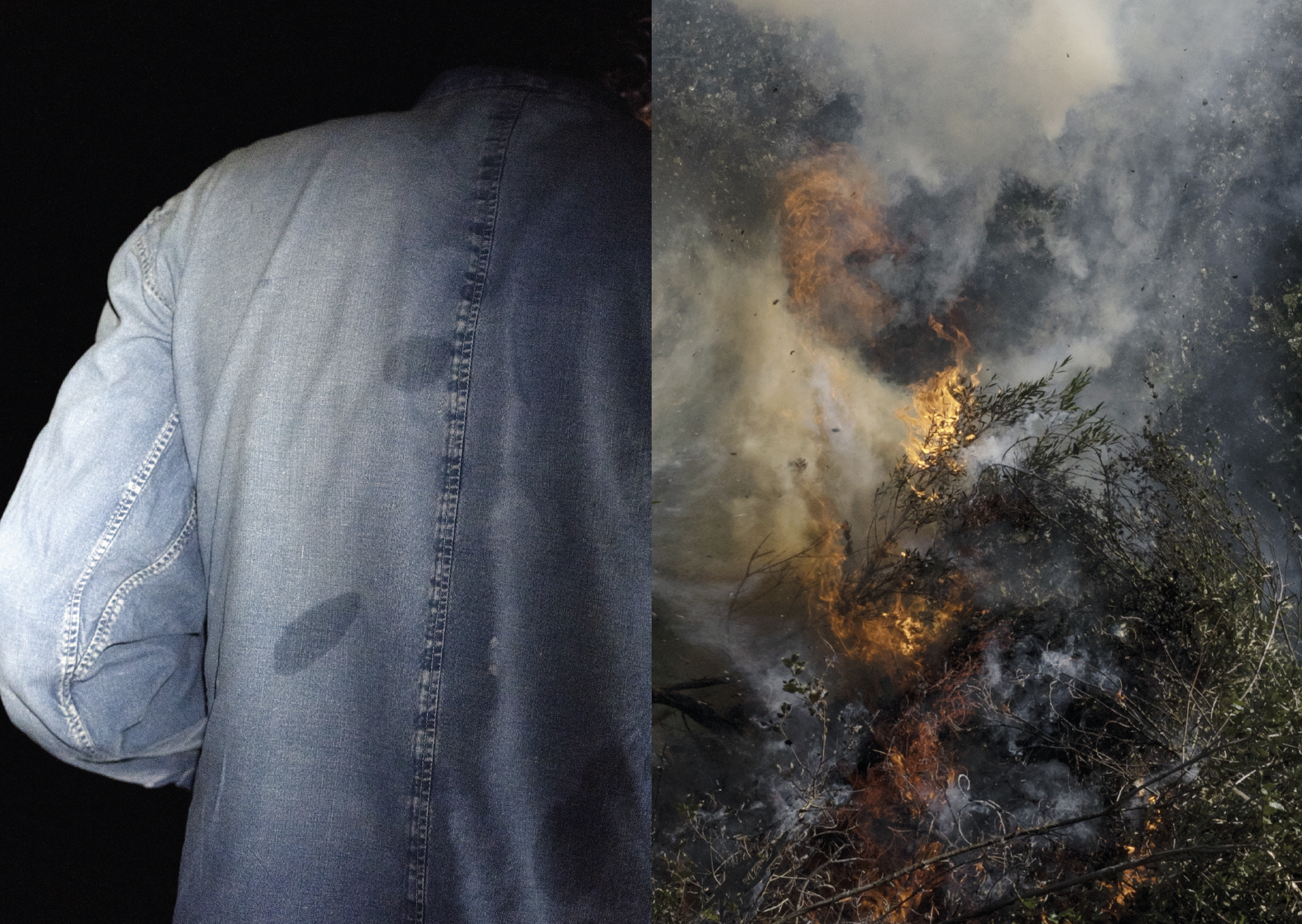
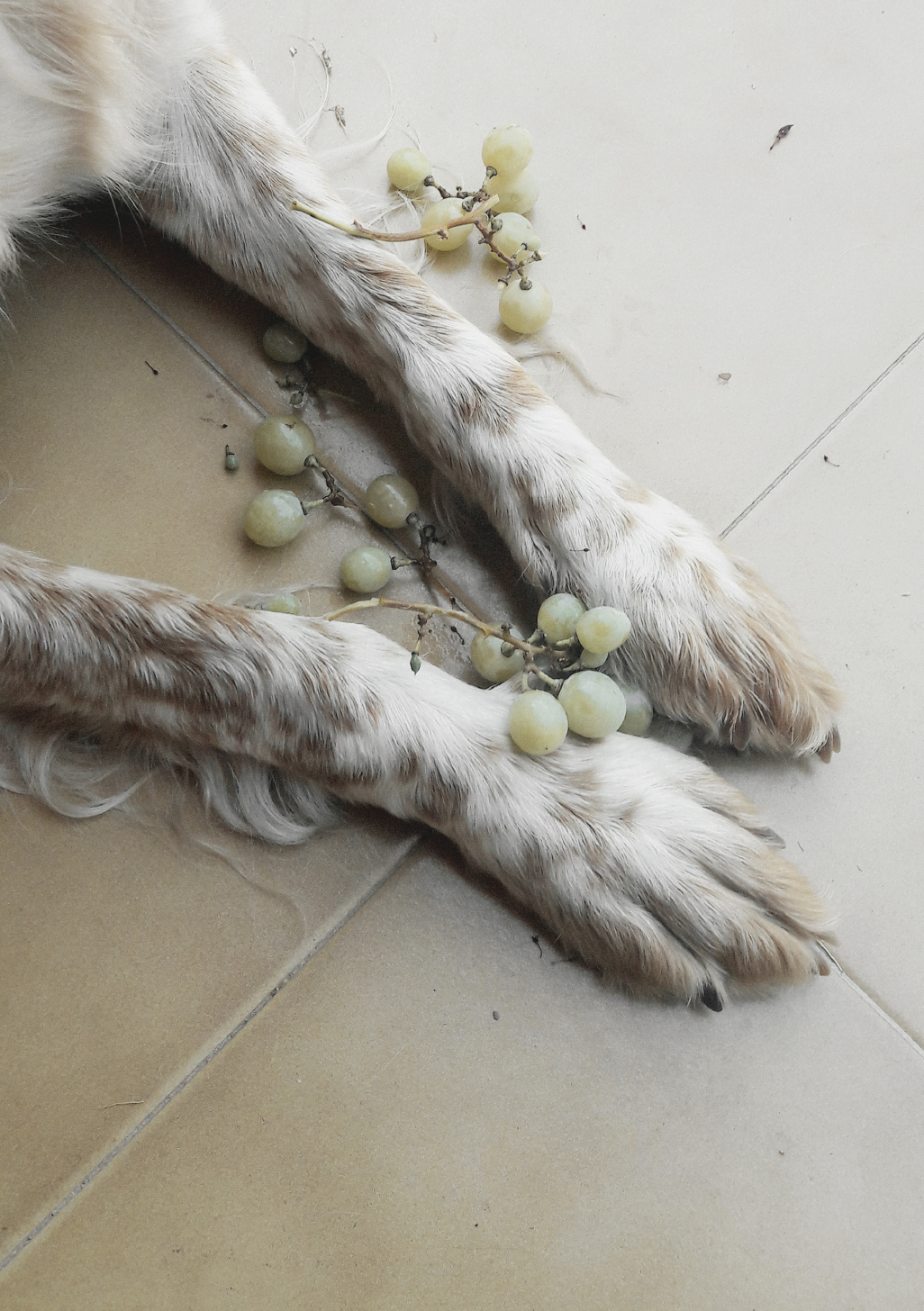
RESIDENCE 2026
Fondazione dell’Albero d’oro, Venice
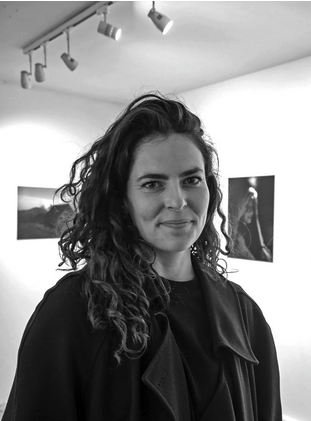
Diane Moulenc
Diane Moulenc was born in Bastia in 1993.
She graduated from the École Nationale Supérieure de la Photographie in Arles.
She lives and works in Corsica. Her work blends documentary and poetic approaches in a deliberate ambiguity. Playing on the absurd, from New York to Mexico City, she attempts to go beyond the spectacle of travel and exoticism. Wandering is at the heart of her photographic practice. She roams a territory, a city, a country, or paths. Walking, freed from the constraints of a specific itinerary, allows her to create a space to see her surroundings. After years of photographing foreign countries, she now continues her exploration of the photographic medium in Corsica and around the Mediterranean.
Residence project
La Veille (The watch over)
My photographic practice lies somewhere between documentary and poetry. What interests me is how images can document while retaining an element of mystery. If there is truth, it takes indirect forms—an atmosphere, a suspension, a questioning that goes beyond what is shown. My camera is a means of prolonging my sense of wonder. I look for moments of pause, where the norm is movement and productivity. The images I choose have few elements and clean framing. I hope to create images that are seemingly obvious but nevertheless resist the gaze. This is what I look for in my editing: those moments of suspension where something seems to hold its breath. Walking is ultimately just a means of photographing, observing, and creating poetry. Whether in New York and Central America with Rêve lucide, in the Moroccan High Atlas with Azzugg, or in Corsica with Fra li monti, my method remains the same: going at random allows me to be open—open to the unexpected, to what escapes the plan, the tourist guide. This wandering without a set itinerary allows me to stray from the expected paths, to thwart exoticism, to seek out what resists the accumulated clichés.
Venice presents a particular challenge for this practice. The city is saturated with images even before you arrive, perhaps even more so than New York, where I created Lucid Dreaming. My imagination is already cluttered with all these representations. How can I photograph something that has been photographed millions of times? How can I find an angle that escapes the permanent postcard?
As with Lucid Dream, where I sought out moments of emptiness in American megacities, in Venice I will be photographing what escapes the flow, what resists visual saturation. In that series, I worked on refined framings that contrasted with the expected density of the city, extracting moments of silence from the surrounding chaos.
In Venice, this approach takes on a new meaning: photographing not the permanent spectacle, but what is happening behind the scenes, in the preparations, in the waiting. The project - La veille - focuses on a contemporary aspect of the city: the daily preparation for the threat of acqua alta. Between September and April, the city floods nearly a hundred times. It is no longer an exceptional event but a routine. A city that organizes itself around its own periodic flooding. I want to photograph not the spectacle of water invading Piazza San Marco, but what happens before. The moments of vigil, in both senses of the word: monitoring the tides and the day before. This silent preparation, this constant anticipation of a trivialized catastrophe.
The city could be seen as a reverse Atlantis, a sunken city that refuses to disappear, methodically organizing its own survival. What the Italian city is experiencing today—rising waters, constant adaptation, survival infrastructure—is what awaits other coastal cities. Venice is becoming a laboratory for our shared future in the face of climate change. I would like to photograph Venice at times when the city escapes the tourist flow. When residents install paratia (protective devices) on their doors, when shopkeepers put away their merchandise, when walkways are stacked in corners, ready to be deployed. What intrigues me here is the trivialization of disaster. How a city transforms its own threat into routine. The absurdity of a civilization that knows it will be regularly engulfed but continues to install temporary protections. The physical traces of this preparation become photographic elements: old water marks on the walls as archives of past disasters, protection systems that alter the architecture, walkways that transform the urban space, the repeated gestures of residents who organize their lives around the rhythm of the tides.
Venice imposes particular constraints on my working method. The city is a labyrinth where wandering is structurally inevitable, but tourist flows already saturate the paths of chance. I will have to invent a reverse wandering: go against the flow of groups, seek out dead-end streets, follow the locals rather than the tourists. Walking even more slowly than the trudging crowd, stopping where no one else stops. The rhythm of the tides invisibly structures the city. Certain passages are only accessible at certain times. My walking protocol takes on a literal meaning here: working when the water recedes, before the footbridges are installed, before the city prepares for its next cycle of flooding. As with Fra li monti, which sought to show the Corsican mountains, a conventional folkloric motif, in a different light, the Venetian challenge is amplified: it is less a matter of discovering than of unlearning all pre-existing images. Photographing not what Venice shows in excess, but what it hides beneath its status as a permanent backdrop. To seek out moments when the city is no longer a spectacle but a lived-in place, confronted with a daily threat, organized around its own fragility.
La veille is thus a series about waiting and preparation, about a city that lives in constant anticipation of its own submersion, about the way we inhabit our foretold catastrophes.
Portfolio selection
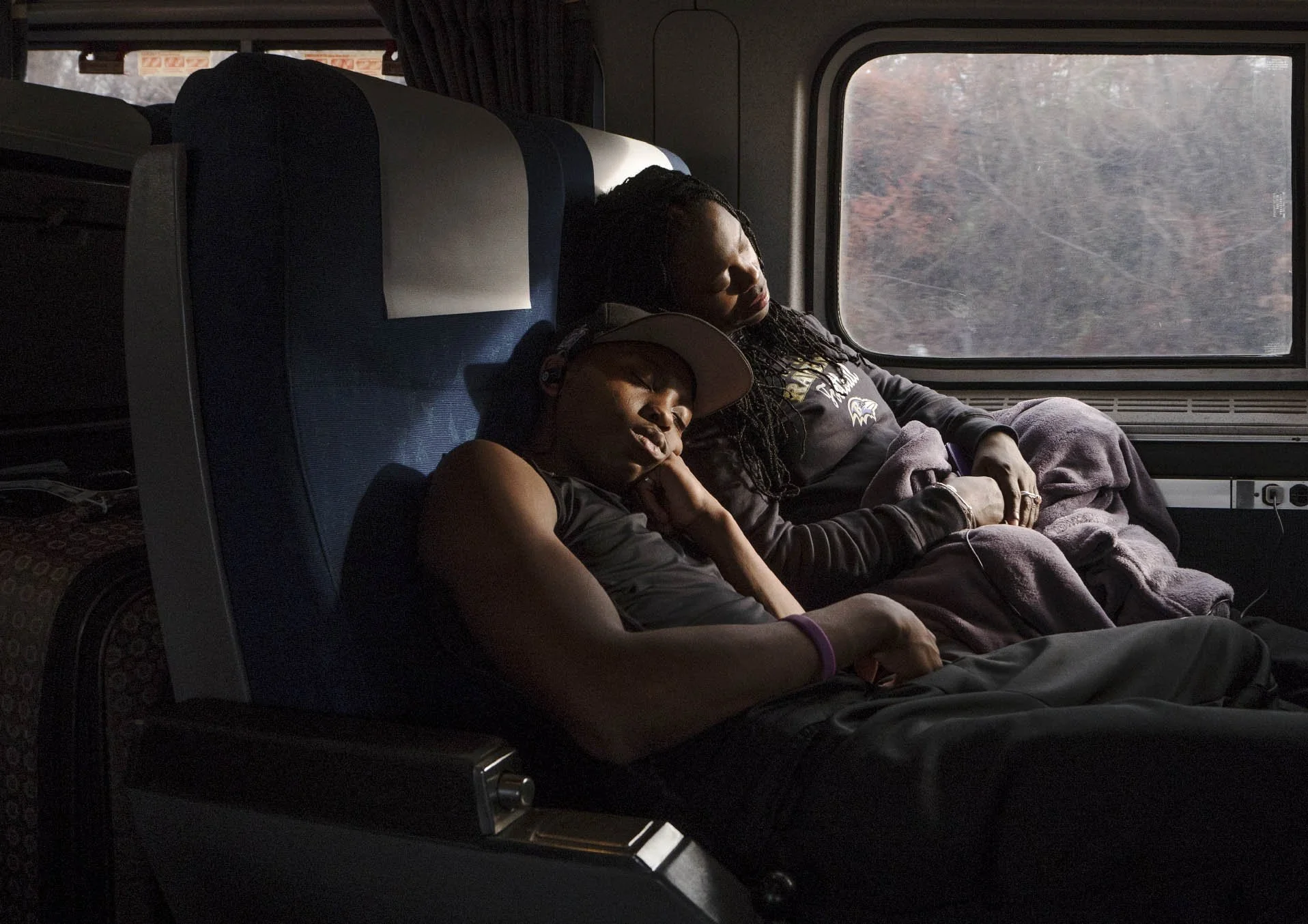
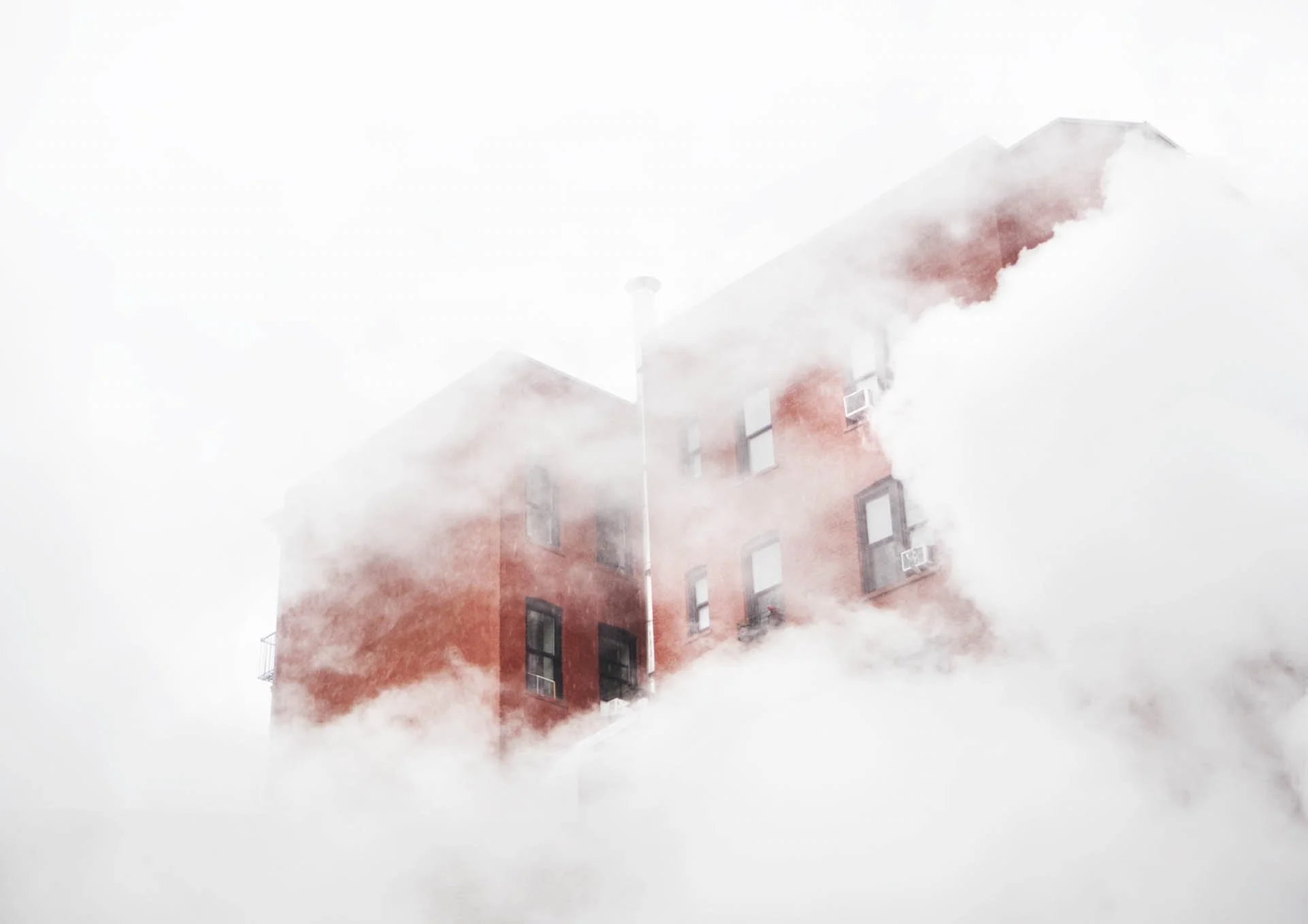
Rêve Lucide, USA and central America, 2025-2017
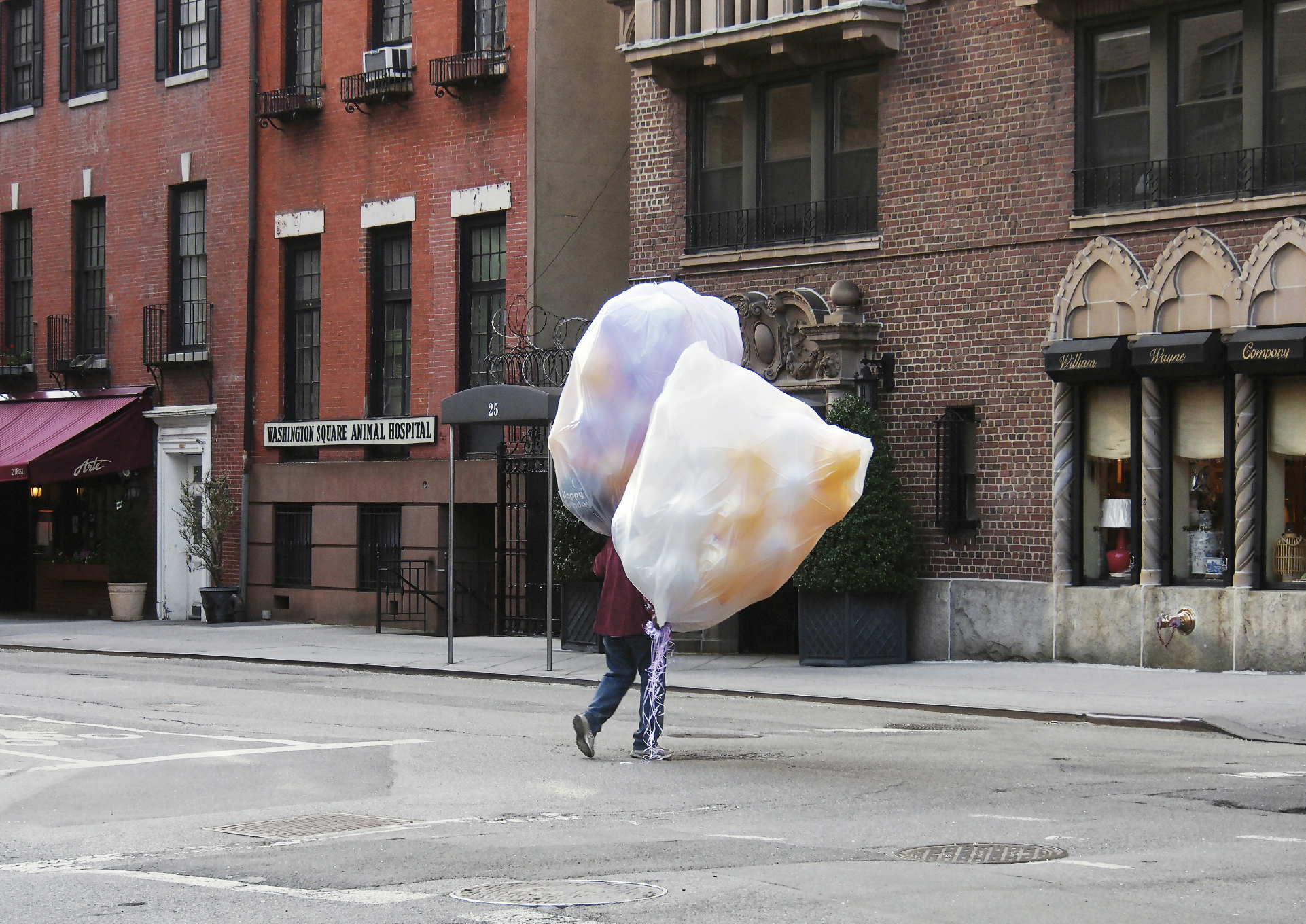
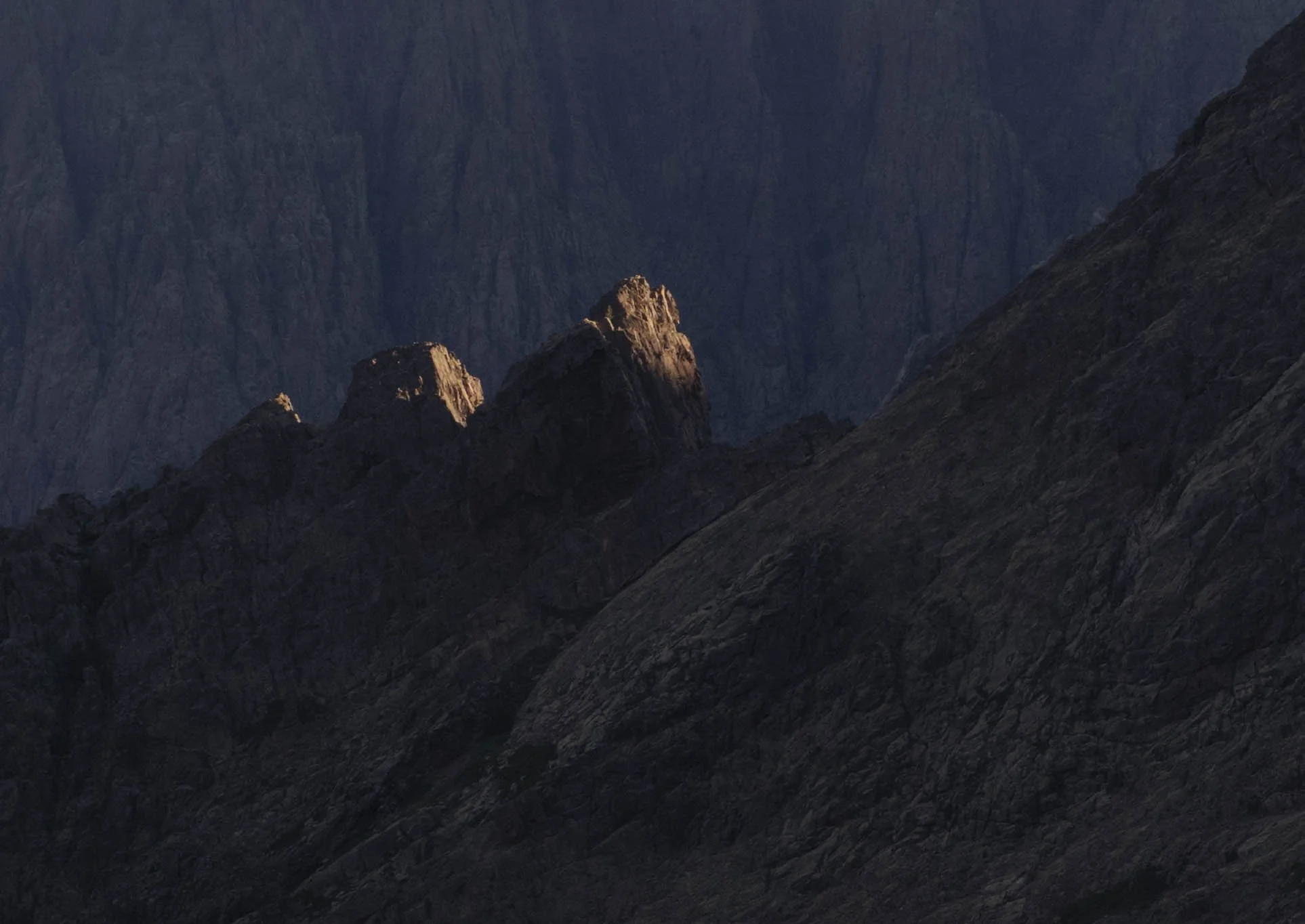
Fra li monti, Corse, 2022
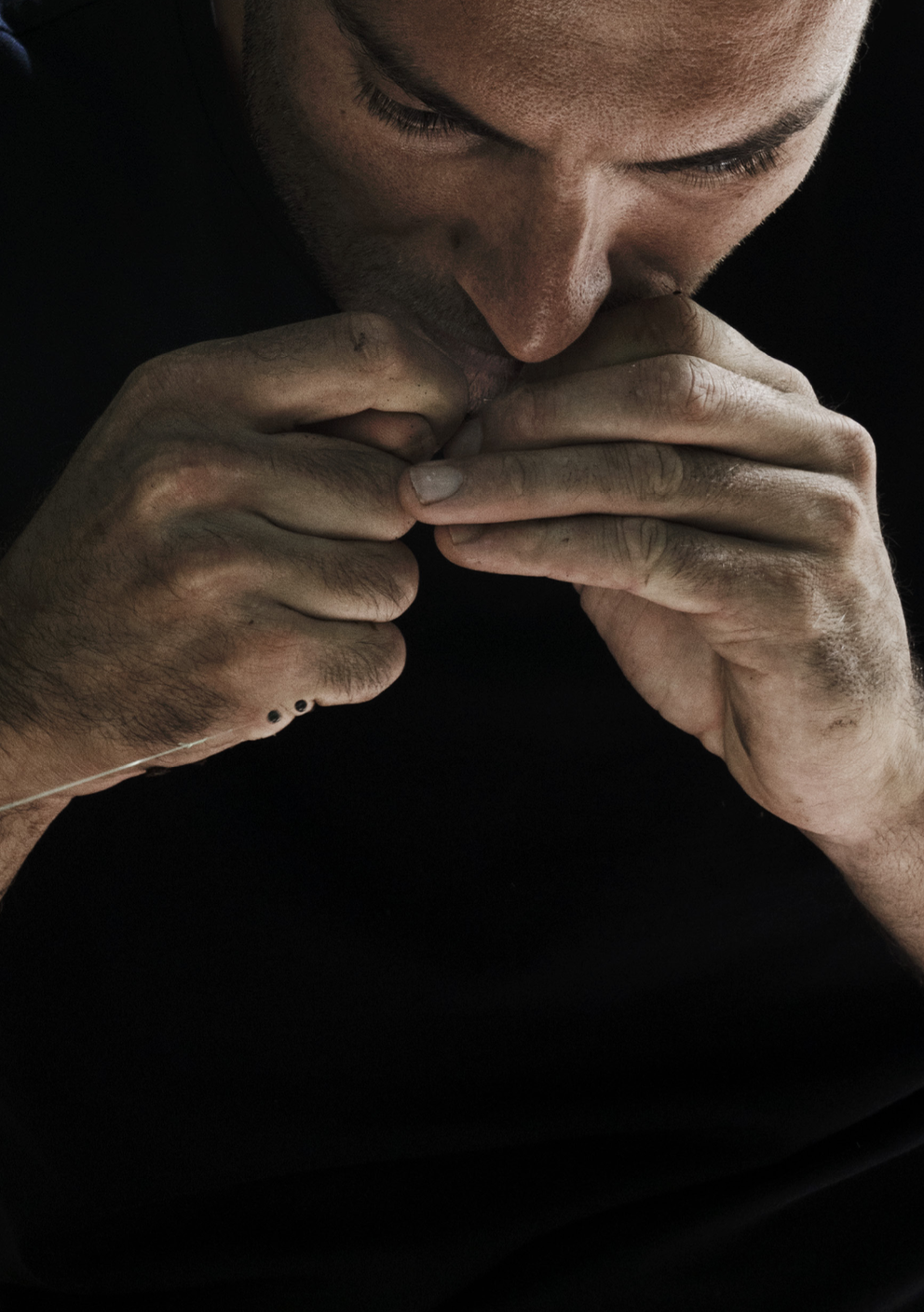
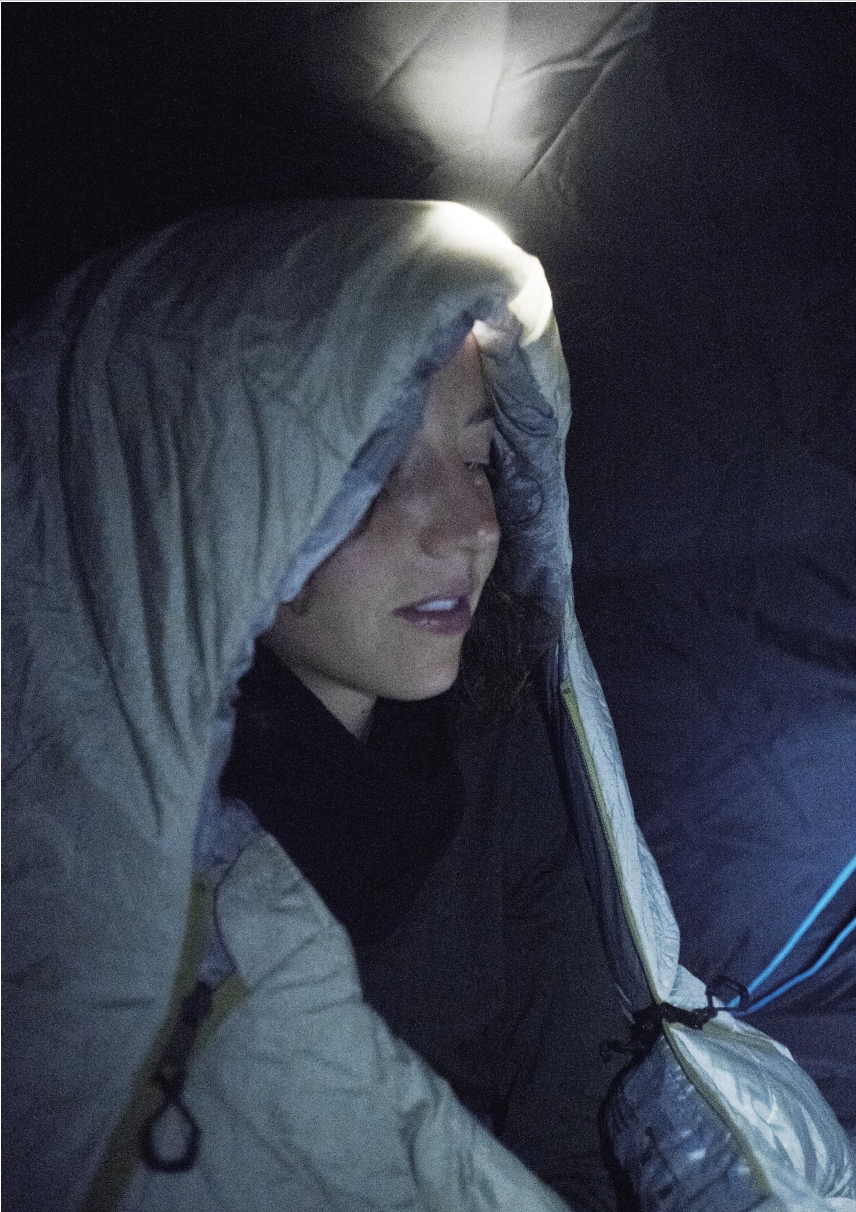
AZZUGG, Haut-Atlas marocain, 2024

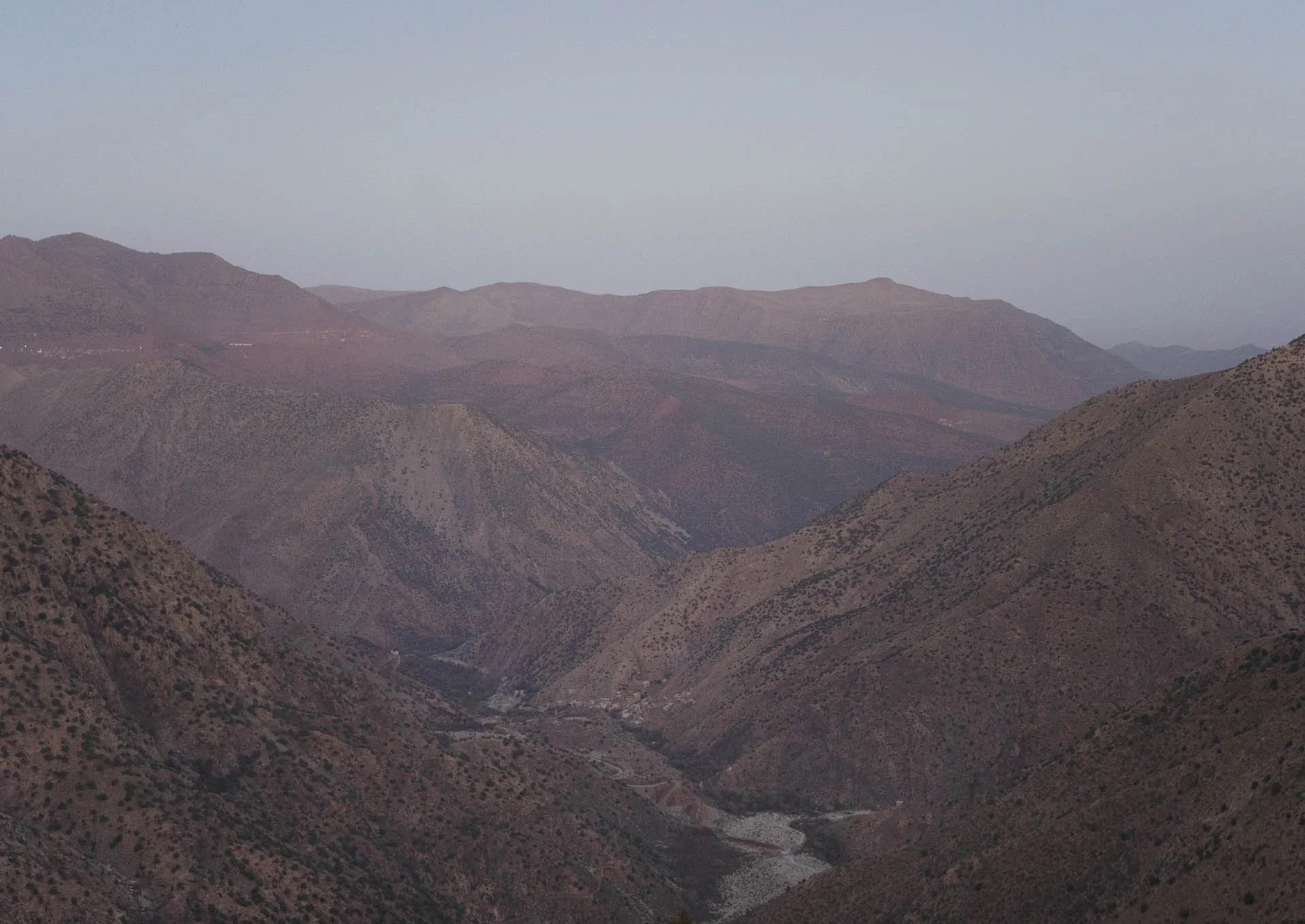
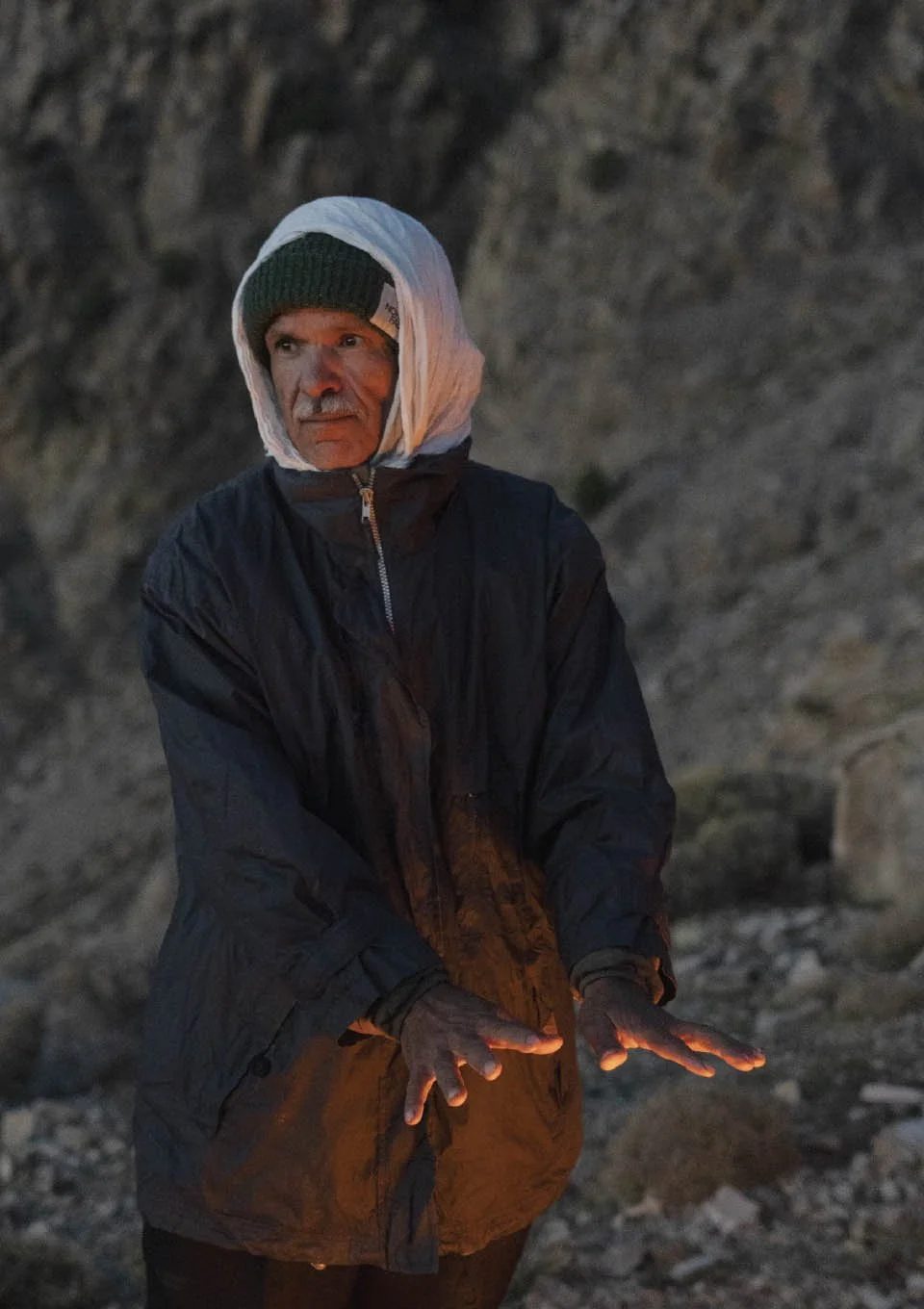

Storia, work in progress, Corsica, 2025