RESIDENCE 2026
Villa Conti, Corsica
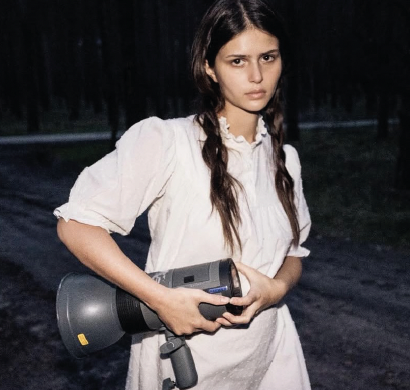
Shadi Lou Aimee Dupouey
Born in Paris in 2002.
Work and live in Berlin.
She graduated from high school in 2020.
In 2022, she began her studies at the Ostkreuzschule für Fotografie, where she focused on developing her visual language and approach to storytelling through images. She completed her studies in the summer of 2025 with an exhibiton at Willhelnhallen Berlin.
Residence project
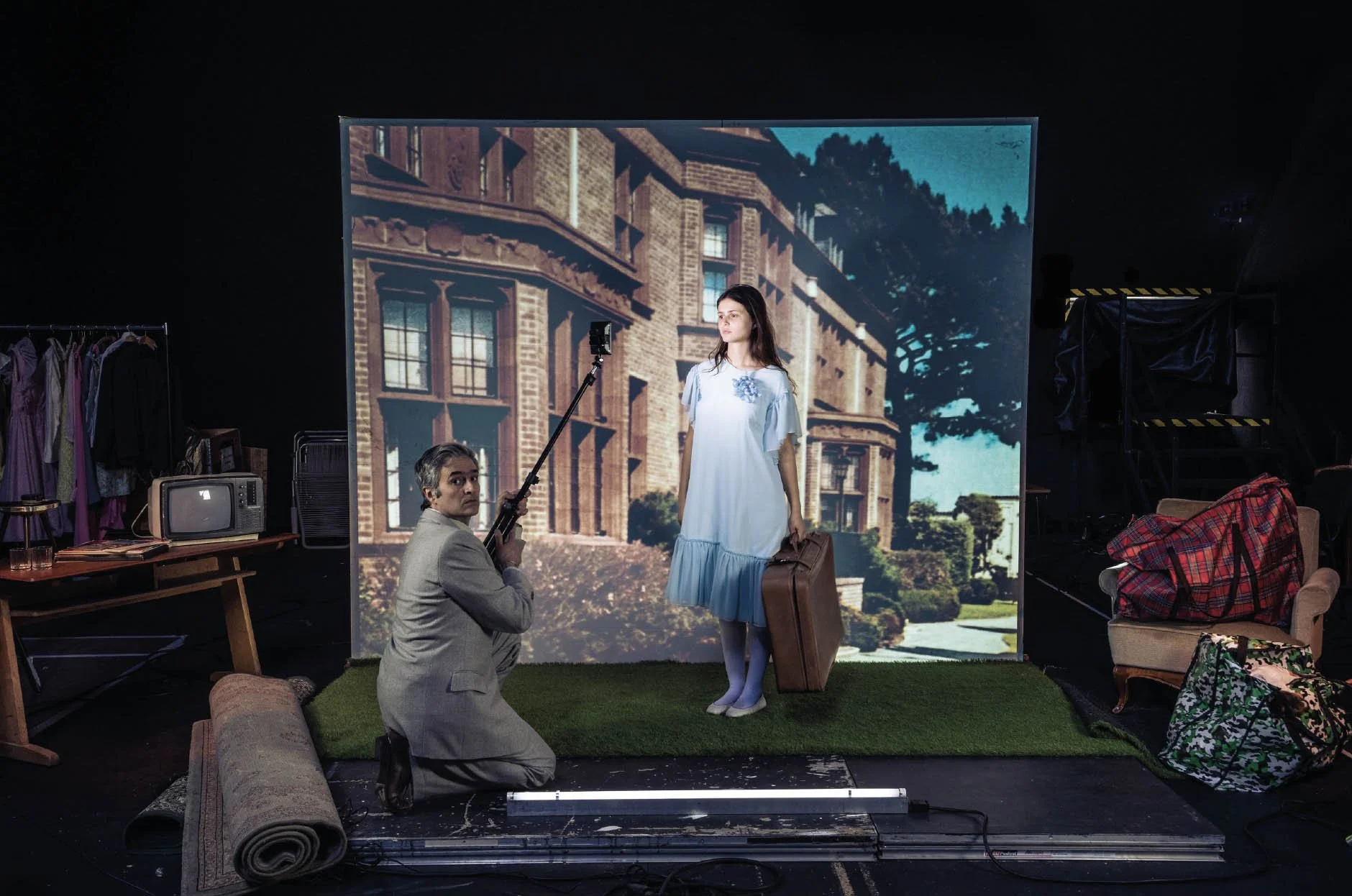
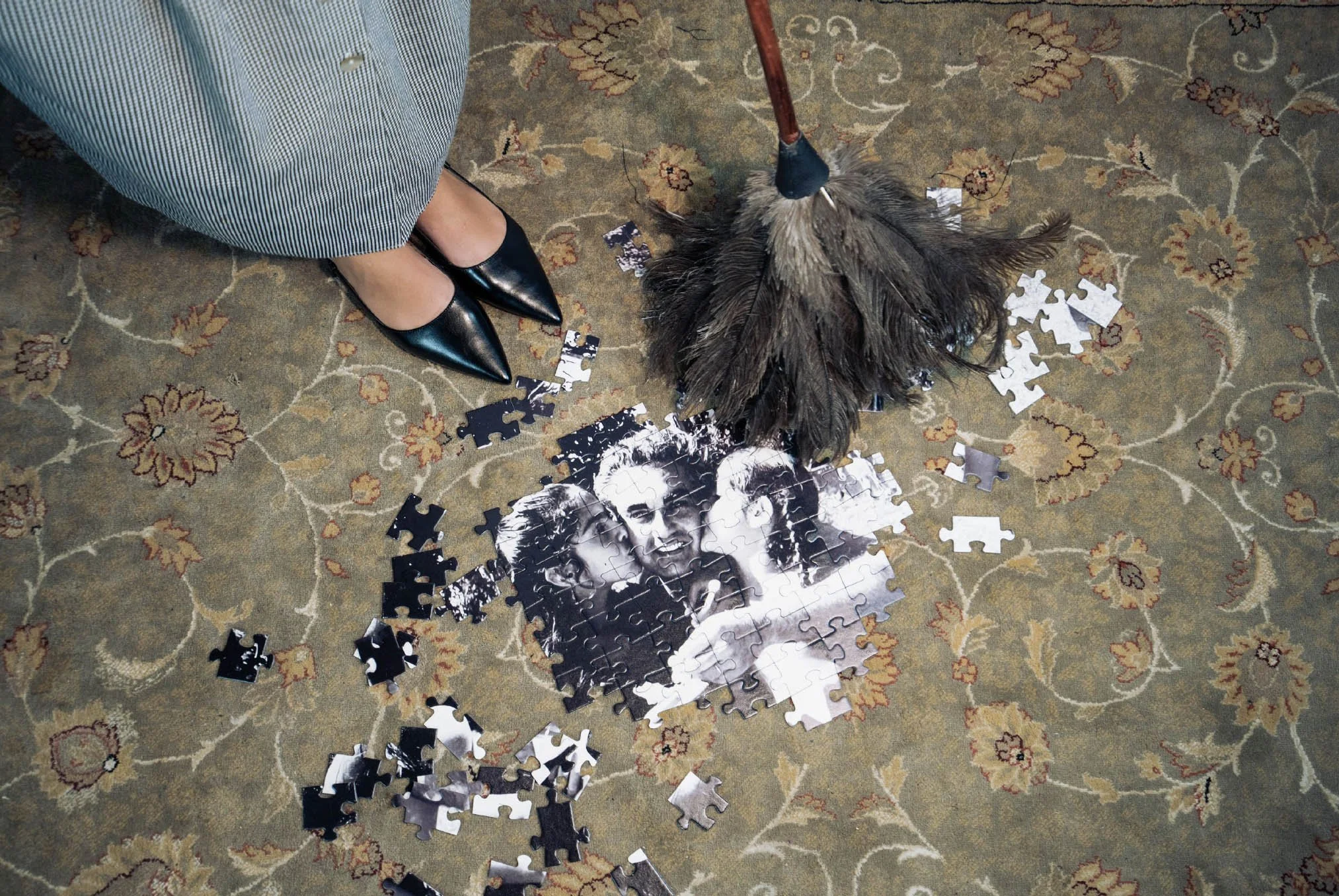
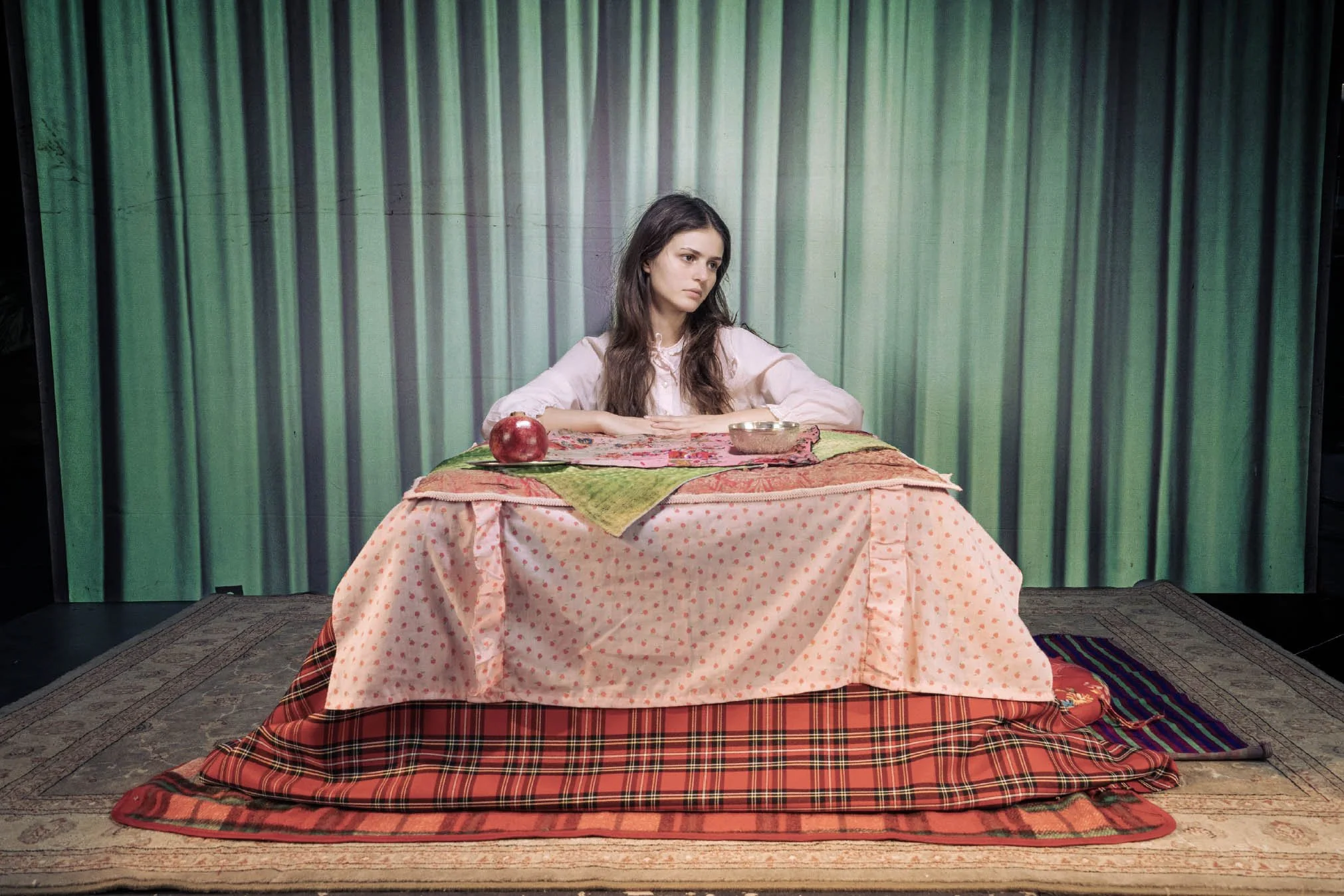
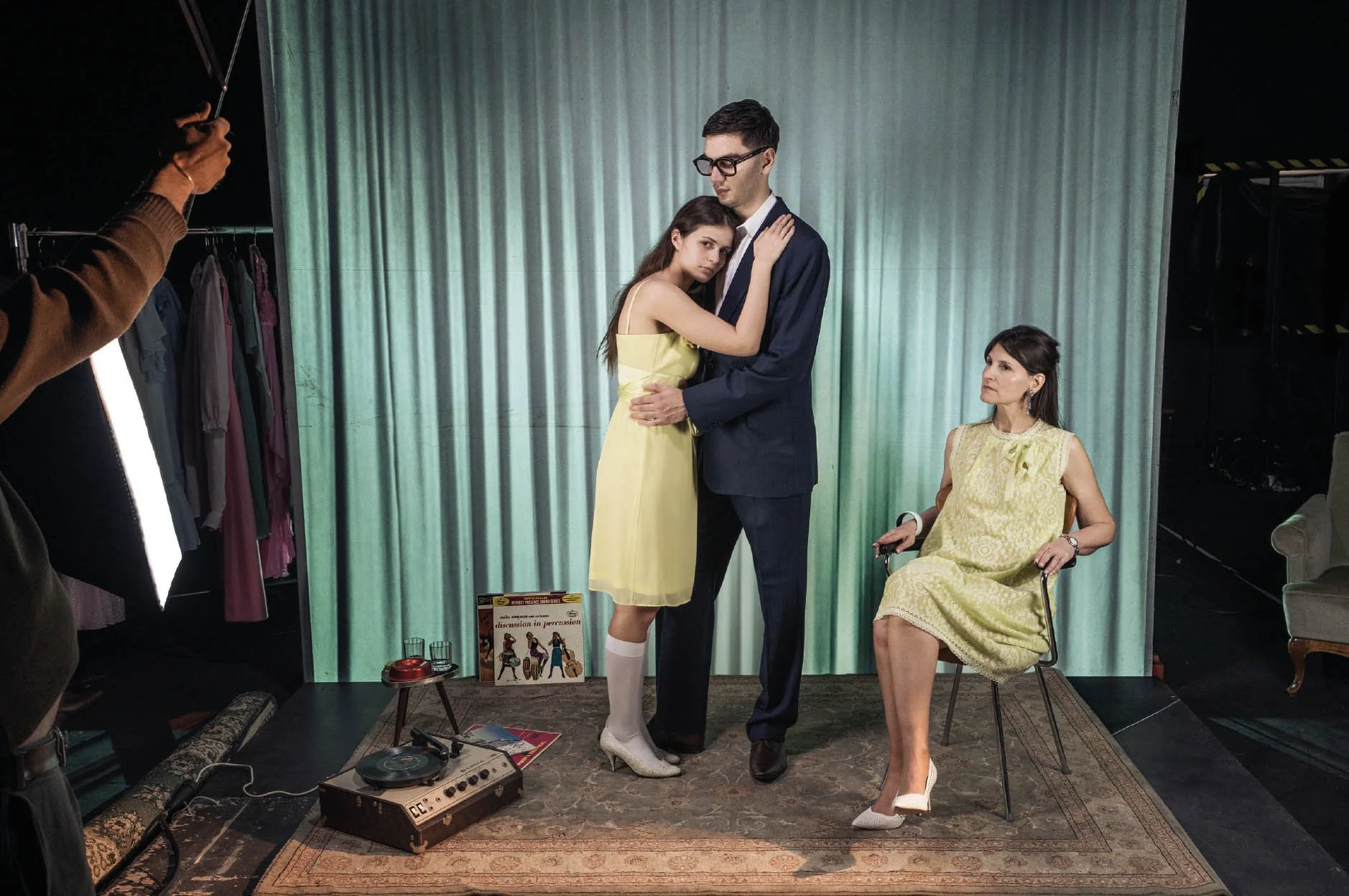
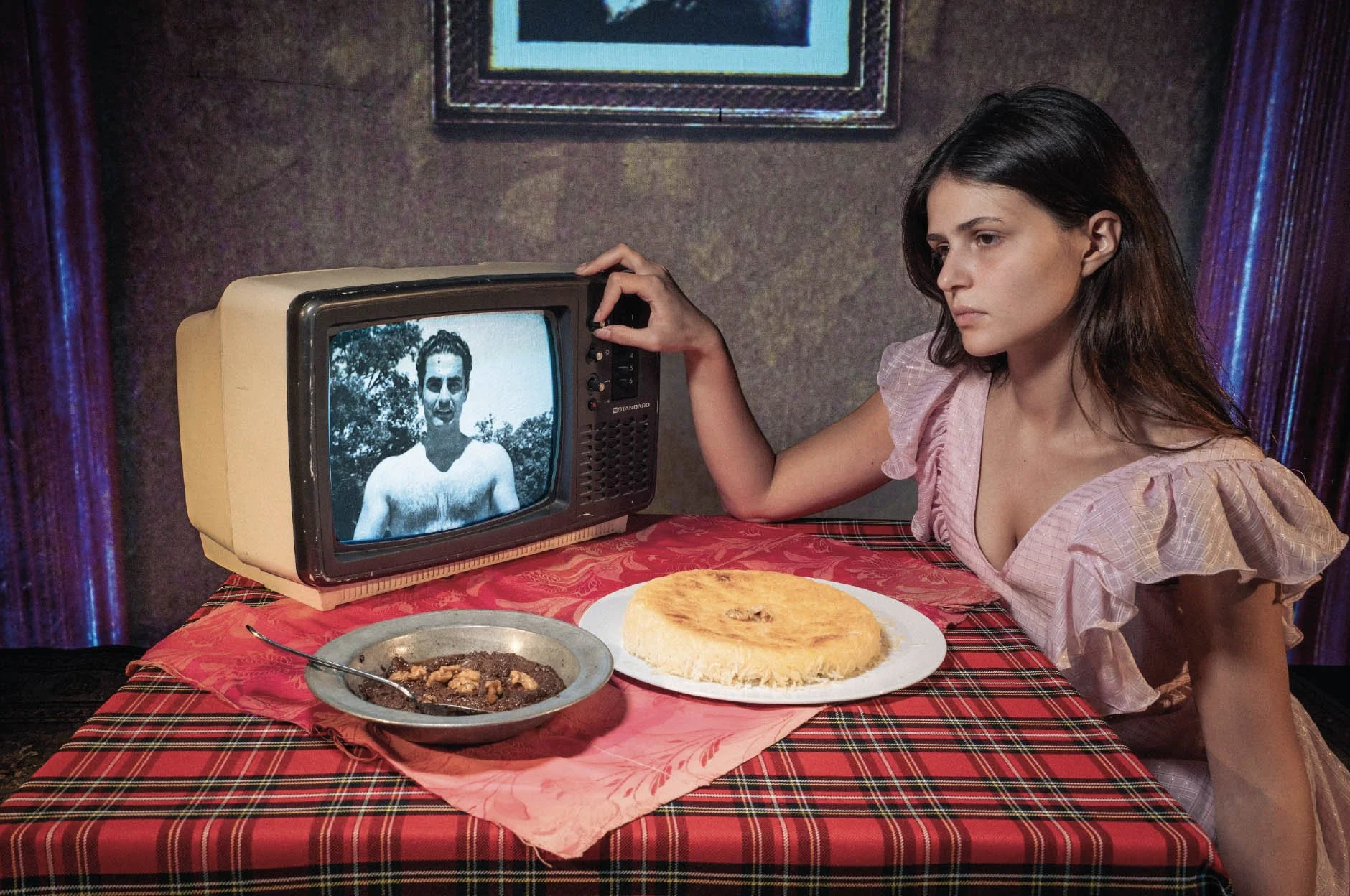
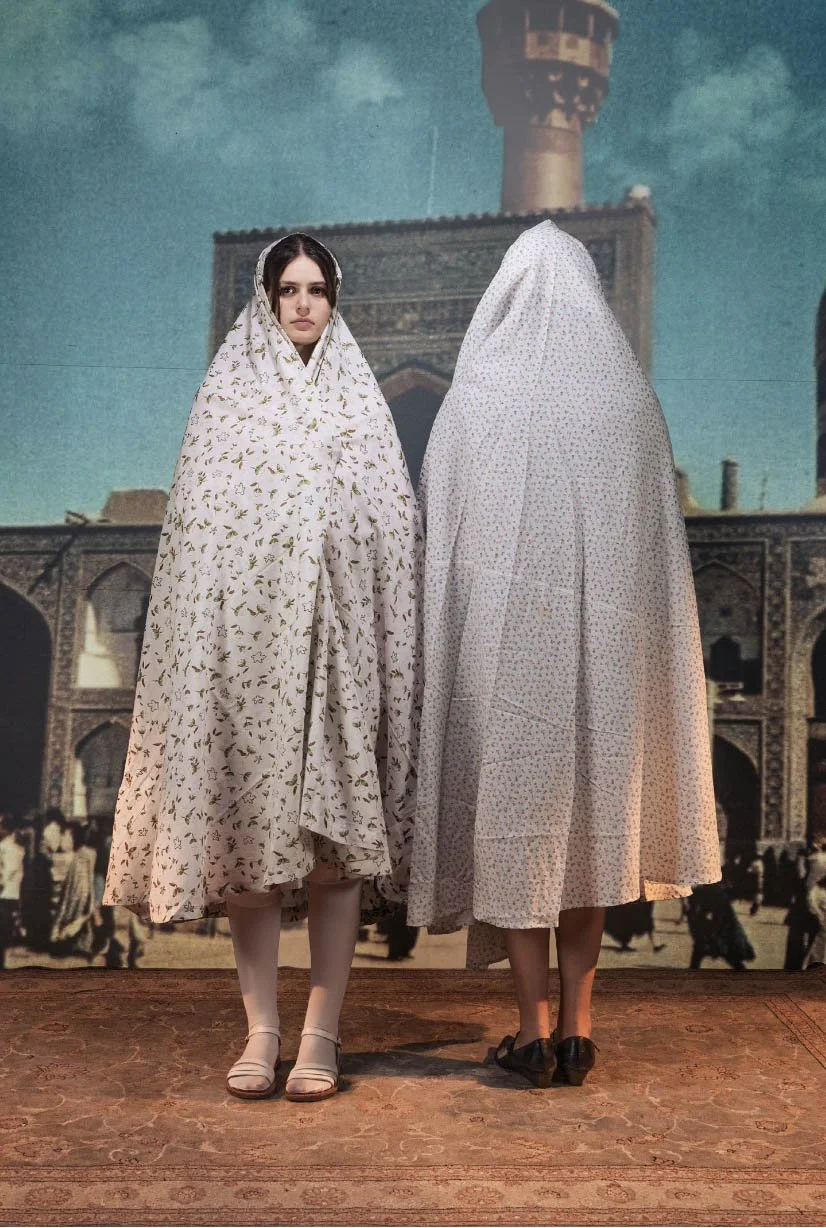
Following my previous photographic work, “Fesenjan,” which explored my family origins and more specifically the story of my Iranian grandmother, I would like to develop a new project in the form of a video installation. Through this project, I want to ask an intimate question that is still essential to me: what does it mean to grow up in Berlin and Paris as a woman born and socialized in Europe, while carrying a buried heritage? This approach will be an opportunity for a new stage of personal and artistic research between two cultures—between Western freedom and Eastern heritage, between belonging and otherness—but this time, focused primarily on “the present.” While this first work allowed me to become aware of the profound influence of a family history that had long seemed foreign to me, my nomadic life in different European cities kept this heritage at a distance. That is why, even today, there are still situations in which I feel that part of myself does not fully fit into the Western context.
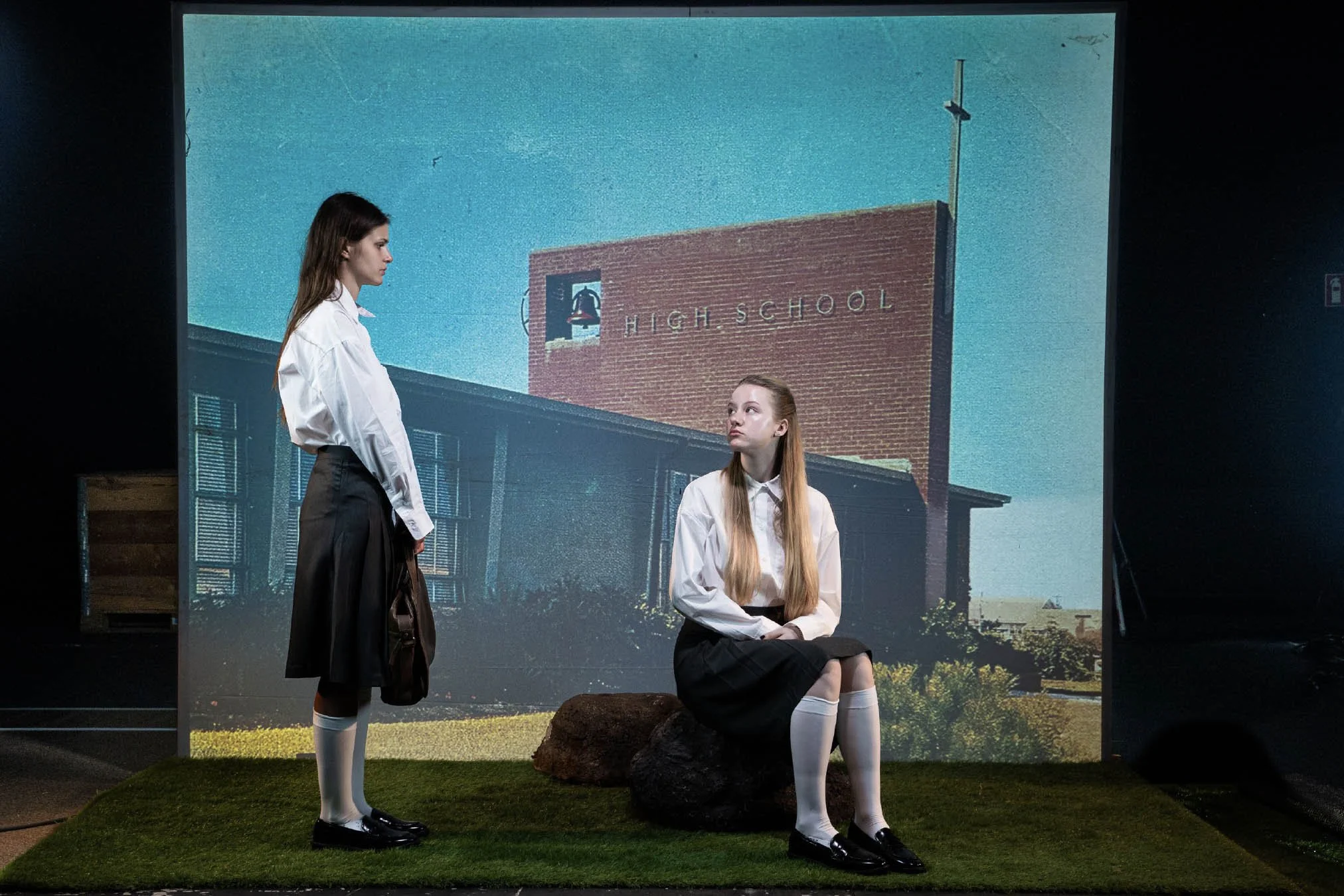
This new project does not aim to become a tool for identity positioning, but rather to offer a reflection on migratory heritage, female identity, intergenerational transmission, and experiences in intermediate spaces. Its form will revolve around defining moments from my childhood, adolescence, and daily life—situations where this Persian heritage manifests itself in beautiful or painful ways, sometimes unconsciously or contradictorily, yet nonetheless constituting a hybrid identity. I remember, for example, the shame I felt for a long time about my first name, which I perceived as foreign, and my desire to have a “more normal” name. I remember my eyebrows that meet in the middle and my wavy hair, which I rejected for a long time—as a teenager, I spent hours straightening them to “be like everyone else.” Shared meals were an essential part of our family life, and excluding myself always left me feeling guilty.
My grandmother's black kohl, which I used to put on makeup for the first time, and which everyone made fun of at school. But also the shame of still not being able to speak a word of Farsi in many situations. I also think of my friends, who find it strange that we only have tea at home, never coffee. The smell of saffron or Fesenjan in my kitchen, which is “exotic” to them—a smell that means “home” to me. The way we show love through care, cooking, gestures—and not just words. When do we feel misunderstood or “foreign,” despite a deep sense of belonging? What fragmented aspects of a personality are nevertheless rooted in a culture, most often not experienced directly, but intuitively integrated?
I would therefore like to continue my research, no longer through the exploration of distant family roots, but rather through personal situations. To this end, I envisage using the medium of video as a sensitive extension of a dialogue with my previous series, in the form of an assemblage of scenes closer to ‘living tableaux or photographs’ than to a scripted film with dialogue. These intimate situations, sometimes accompanied by sound elements, will aim to convey that floating feeling of being ‘in between’ – between cultural heritage and assimilation. The editing and presentation in the form of a film or installation will be the result of this intimate exploration, in which different motifs and situations will resonate, like so many questions about the notions of origin and identity.
Portefolio selection
FESENJAN