RESIDENCE 2026
Villa 31, Tirana
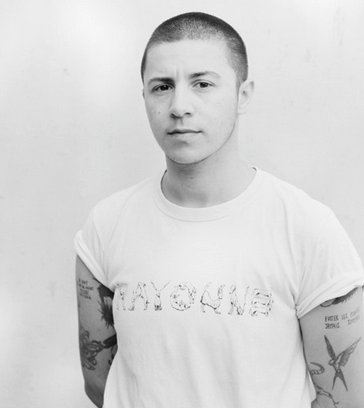
Nanténé Traoré
Nanténé Traoré (*1993) lives and works between Brussels and Paris. He is represented by the Sultana Gallery in Paris and published by Points, Hachette, and Gorge Bleue.
Nanténé Traoré tells stories through both words and images. Borrowing the storyteller's role as a scribe, reporting on both what has been and what is to come, he seeks to document the present as much as to create a new iconography of intimacy. His photographs and texts unfold stories of tenderness, transmission, and freedom, often narrated by fluid, non-normative bodies in motion. Through an almost infinite repetition of images, gestures, and words, his work, particularly his most recent practice, also seeks to compensate for the immense vertigo of what is missing in the world. Her latest photographs are presented as collections in which human traces hybridize with emptiness, allegories of absence and loss, fragile memories in which love, joy, and melancholy coexist.
Residence project
“L’inquiétude” (Anxiety)
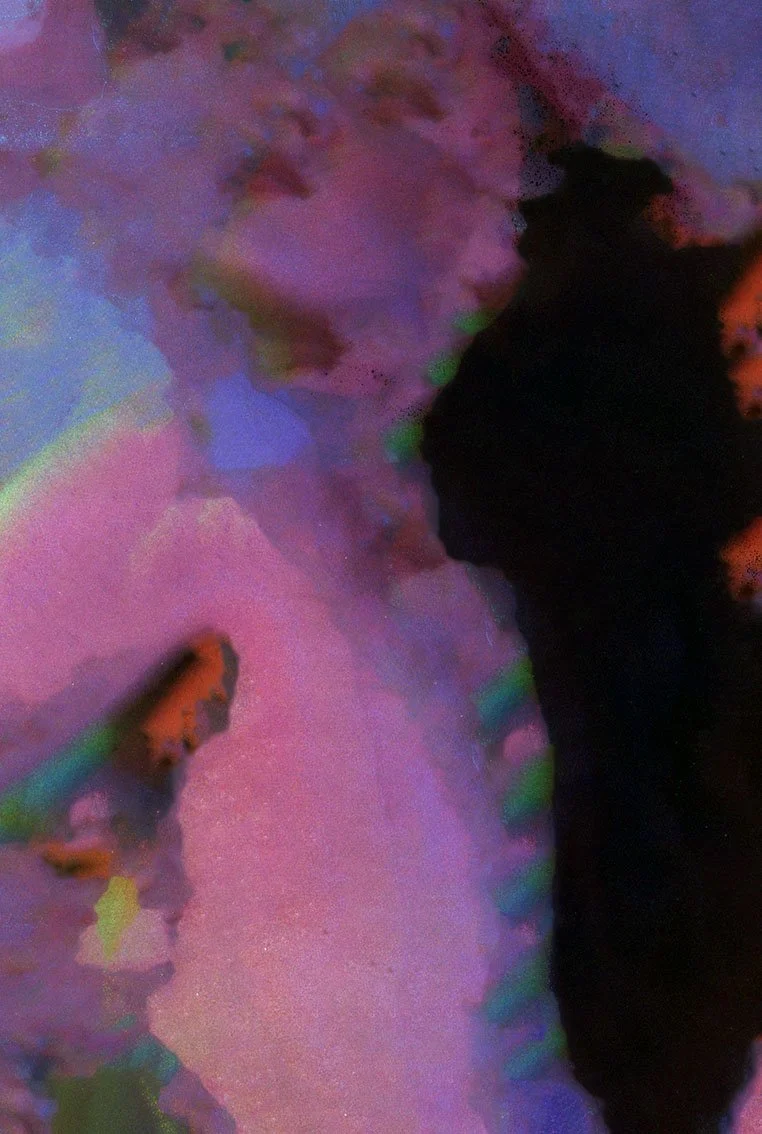
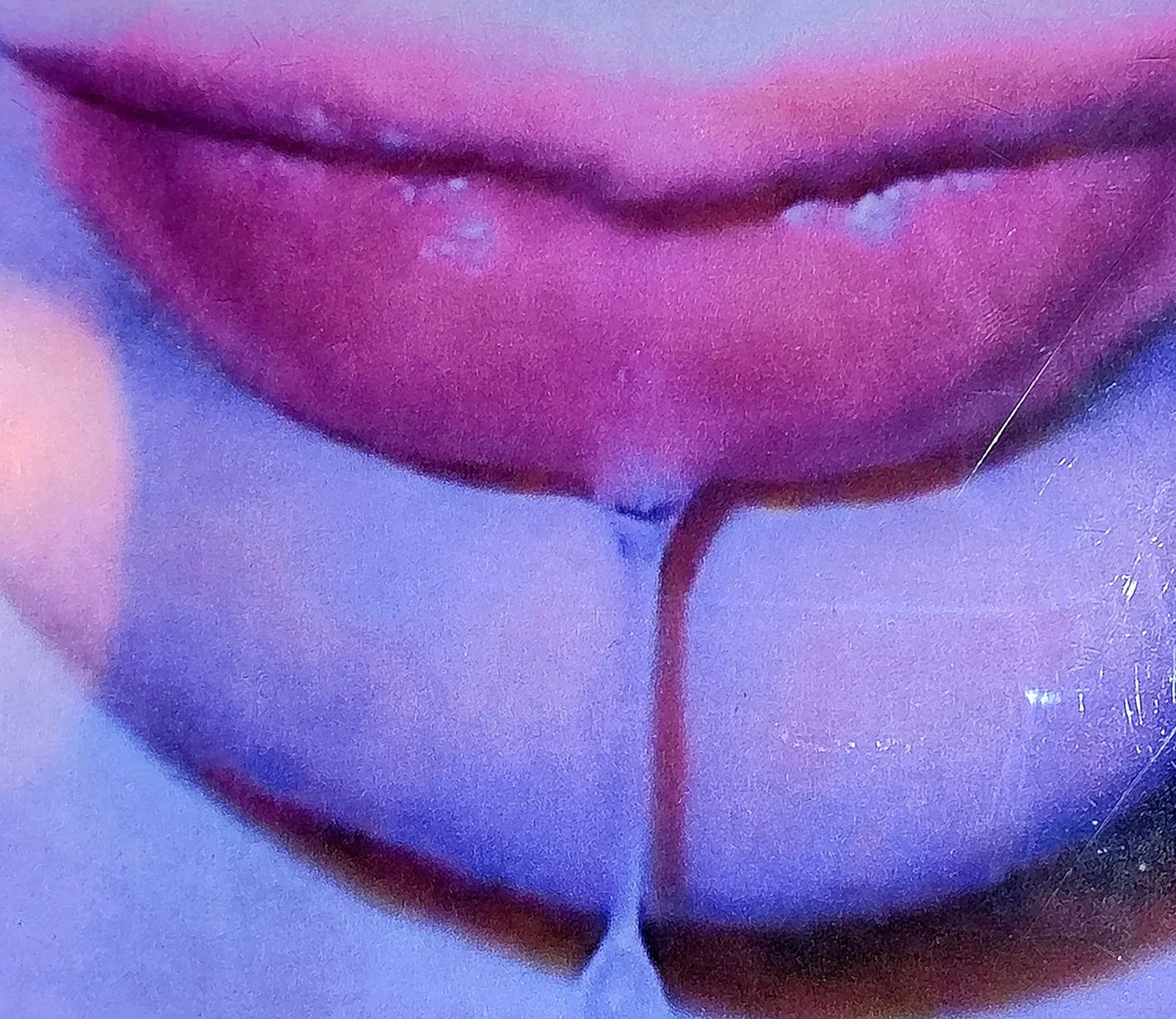
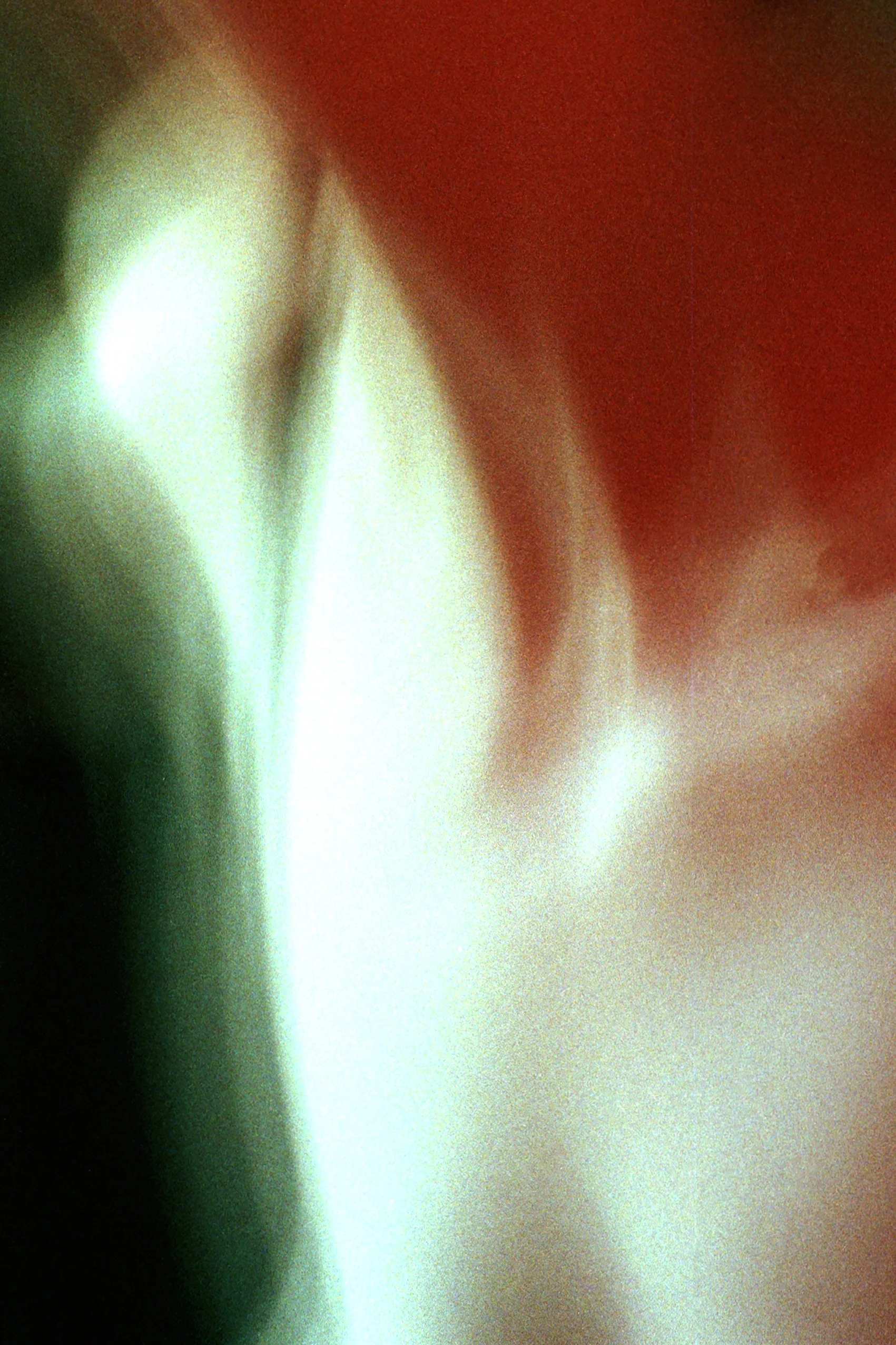
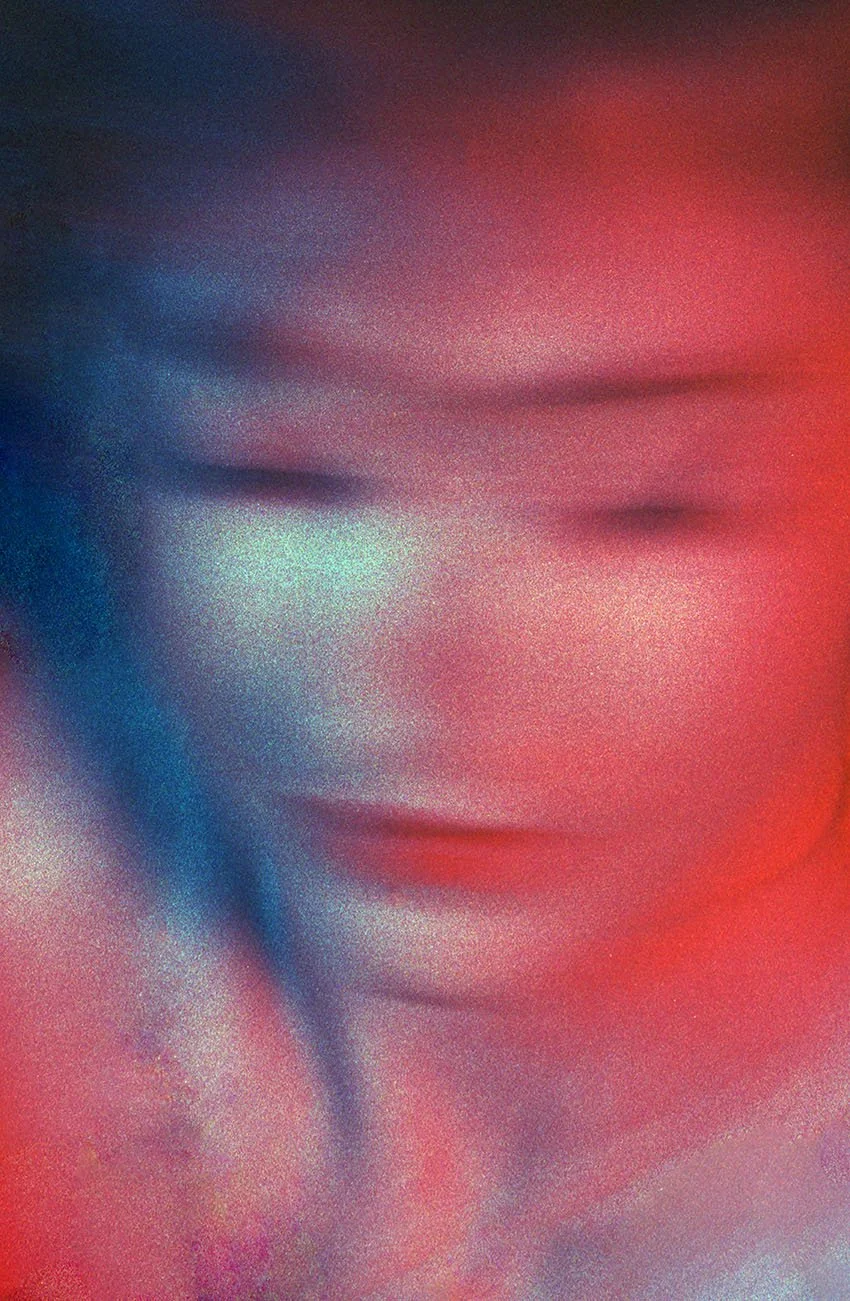
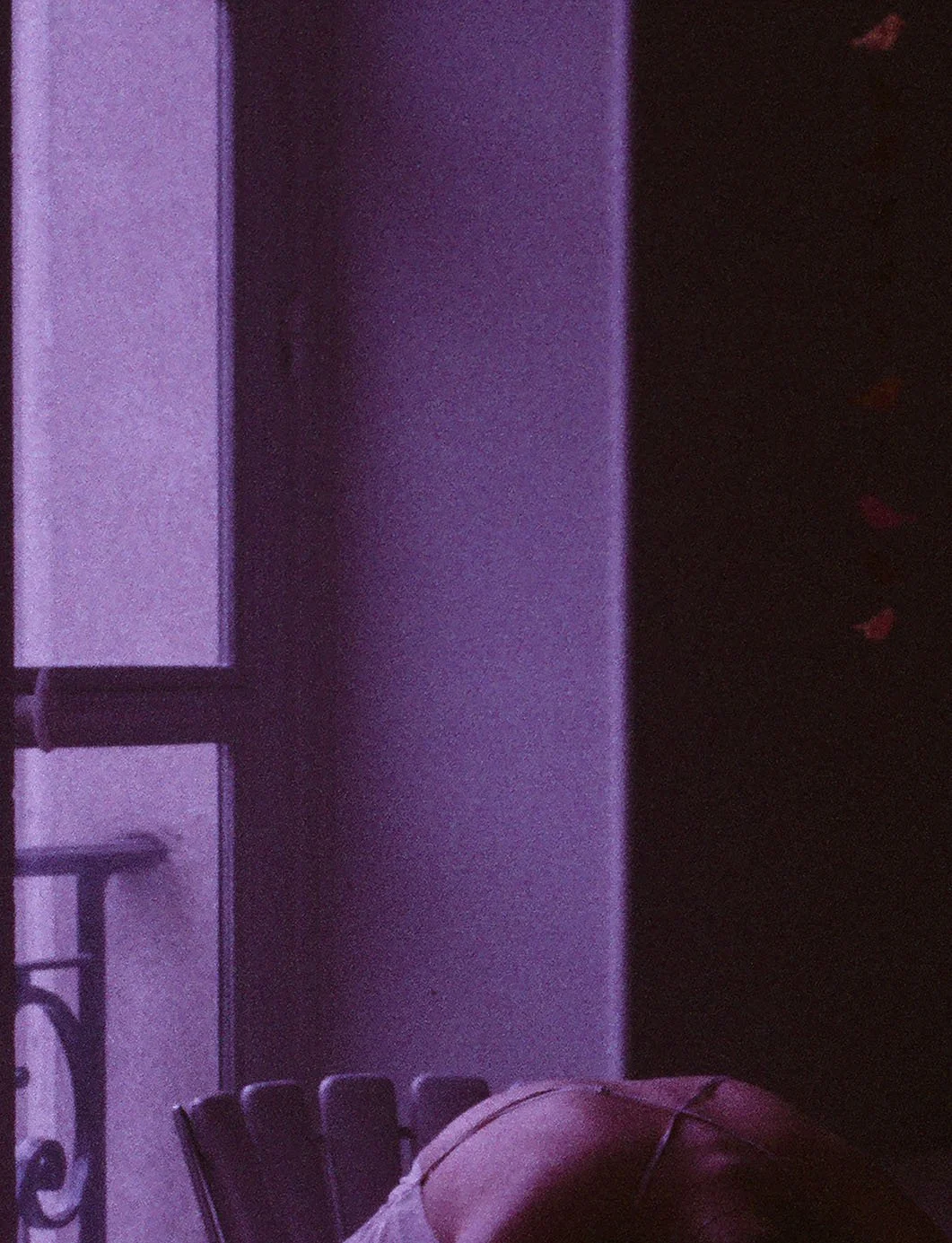
“L'Inquiétude” (Anxiety) is a 35mm photography project, begun in 2023, which explores an aesthetic of vigilance, doubt, and constant alertness. Derived from the Late Latin inquiettudo, the word refers primarily to “the absence of rest”: I use it to describe a state of attentiveness to the world, focused on what escapes or disappears. The images are fragile traces—imprints, absences, residues—collected through sustained attention to what is not usually seen. Presented in its initial stage at the Rencontres d’Arles in 2024 (Roederer Prize), the project is now organized around three main themes: attention to the insignificant, the creation of funeral archives, and resistance through unproductivity.
1. Attention to the insignificant
This theme seeks to reveal what our gaze ignores: the spaces in between, the seemingly empty areas. By mapping micro-landscapes—soils, mineral materials, semi-organic forms—photography questions what persists on the margins and transforms itself out of sight. The off-screen space guides the construction of each image, conceived as an attempt to broaden our perception. Nomadic and constructed through walking, the project refines a sensitivity to the discreet worlds that surround us.
2. The creation of funeral archives
L’Inquiétude develops photography that archives disappearance: ruins in the making, spaces undergoing demolition, absences of objects torn from their context. These images form a fragile mausoleum—an anticipated memory of what is about to disappear. In the face of ecological and political collapse, the image acts as a tool of resistance: it documents death and what it opens up—the emergence of narratives and possible futures. What matters is not so much the body as the imprint it leaves on the landscape. The materiality of the prints (Plexiglas, voile, adhesive vinyl) embodies different modes of memory and conveys the complexity of remembrance between retaining, forgetting, or looking differently.
3. Resistance through unproductivity
In response to the urgency of productivity and widespread exhaustion, L’Inquiétude proposes inaction as a political space, inspired by degrowth and the struggles of marginalized communities. The bodies photographed, mostly trans, refuse the injunction to produce or perform: they demand time, care, silence. Often captured in sleep or reverie, these moments make unproductivity a gesture of survival, dignity, and reappropriation. The use of film photography and expired film reinforces this slowed-down, suspended temporality, creating a dreamlike and dissident space where simple existence becomes struggle.
Here, observing, archiving, and slowing down become essential acts: countering anxiety in the face of collapse not with spectacle, but with repeated attention to the almost nothing—silence, inertia, pause—to create spaces for thought and resistance.
Portefolio selection